A flat by the Mar Menor, bought from abroad
An offer accepted from Dublin, a notary’s date in Cartagena, two buyers without a NIE: how the number, the power of attorney and the first bills fit together.

The search happens online, the viewing over a long weekend, the offer from home. Then the agent asks for your NIE numbers, and without them no Spanish notary will sign the deed.
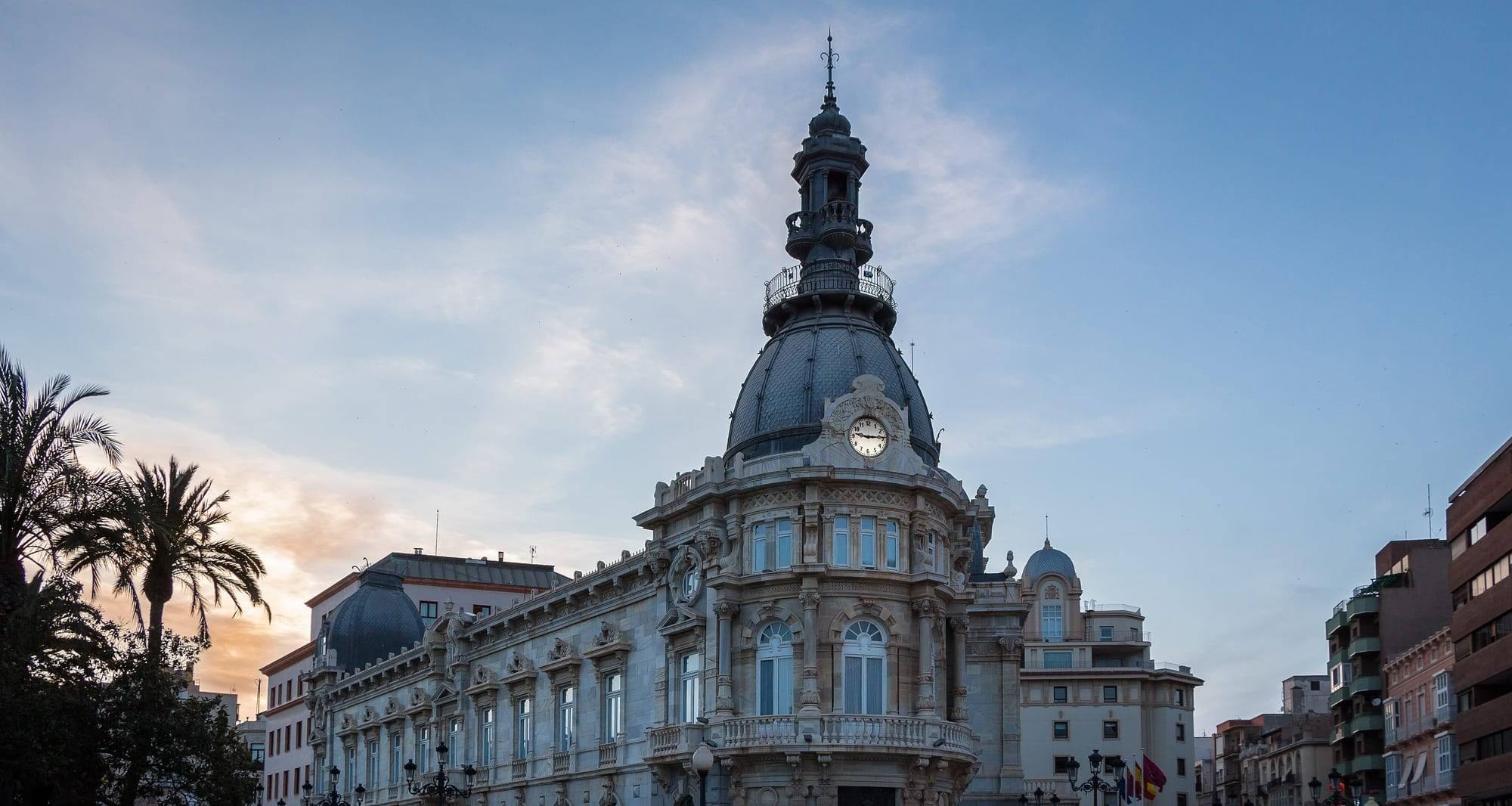
Each buyer needs one. If you will keep living abroad, yours is the non-resident request, on form EX-15, with the reservation or private contract as the reason. You can file it at the Spanish consulate in charge of your area, or in person in Spain through the cita previa for Murcia province; policia.es places the assignment of NIE numbers at the comisaría on Menéndez y Pelayo, in Cartagena.
Timing is the real question. Neither route comes with a guaranteed date, so start as soon as the offer is accepted, not in the week before completion. Some buyers try to fit the NIE appointment into a second viewing or the signing trip, which only works if a slot happens to be free on those days.
If you cannot come for the signing, a poder notarial (power of attorney) lets someone you trust sign for you. It can be granted in Spain or, with an apostille, by a notary in your own country, and it should name the property and what the representative may do. Your NIE still goes on the deed, so it comes before everything else.
Before signing, you will also open a Spanish bank account, which cannot be done without your NIE either. After the signing, the bills begin: community fees, the IBI (municipal property tax), water and electricity, each in your name and under your number.
Owning is not living here. A purchase gives no residence of its own, and the golden visa ended in 2025. If your passport is not European, your stays still count against the Schengen limit. If one day you decide to move in, the next step is residence: the green certificate for Europeans, a visa (for a pensioner, the non-lucrative visa) and then a TIE for everyone else.
One local detail is the municipality. A flat in Los Alcázares or San Javier answers to that town hall, one in Los Urrutias or Los Nietos to Cartagena’s, and La Manga is shared between Cartagena and San Javier. The deed names the municipality: it is the one your local taxes belong to and, if you move in, the one that keeps your padrón (municipal register).